ALLISTARSymmetric Field Physics

Allistar Center · Research vision

The Planetary Grid Vision

Wardenclyffe revisited: wireless power through the Earth

A nested-sphere antenna, a vision of nine great circles, and a copper shape built by intuition. Inspired by the Pleiadians and guided by Bashar, they came together years apart as one idea: 48 Space-Time Antennas around the Earth. It is Tesla's Wardenclyffe, one step further.

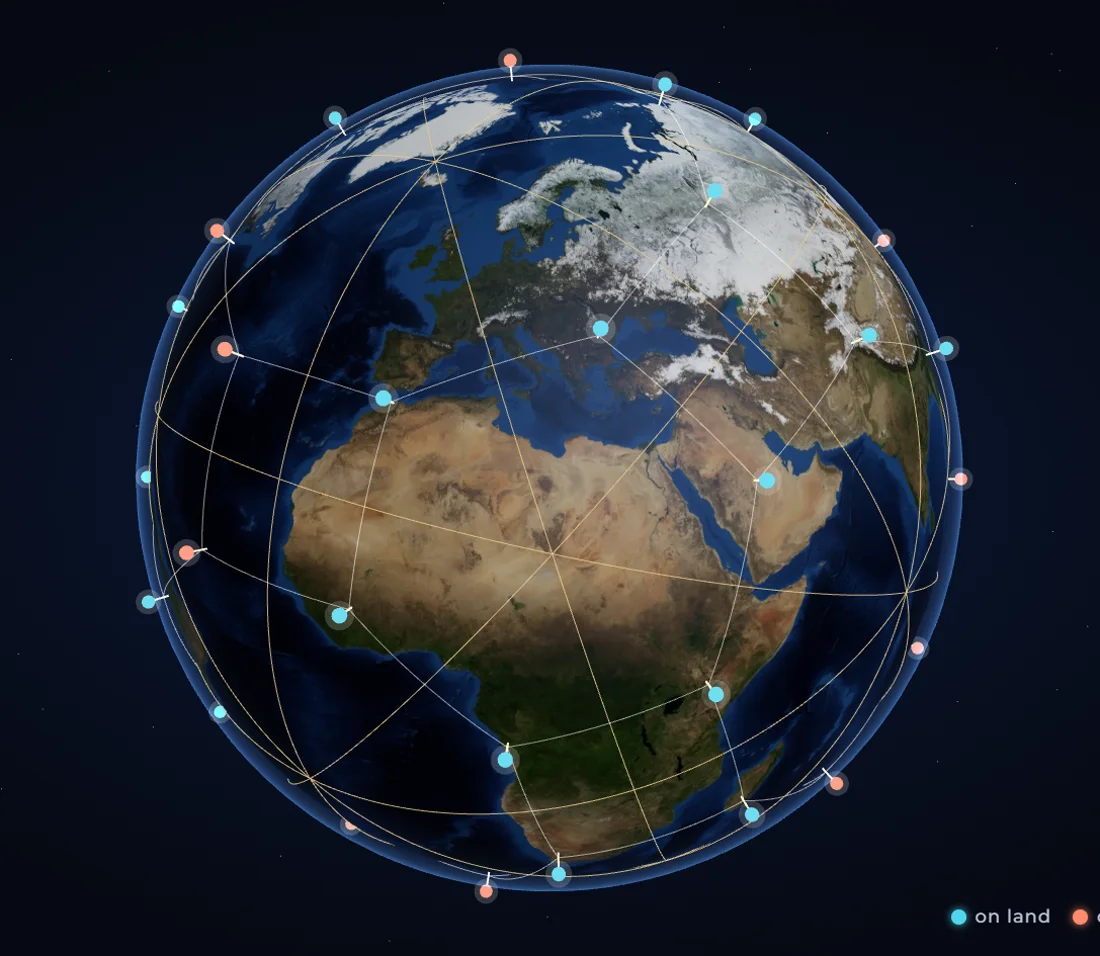
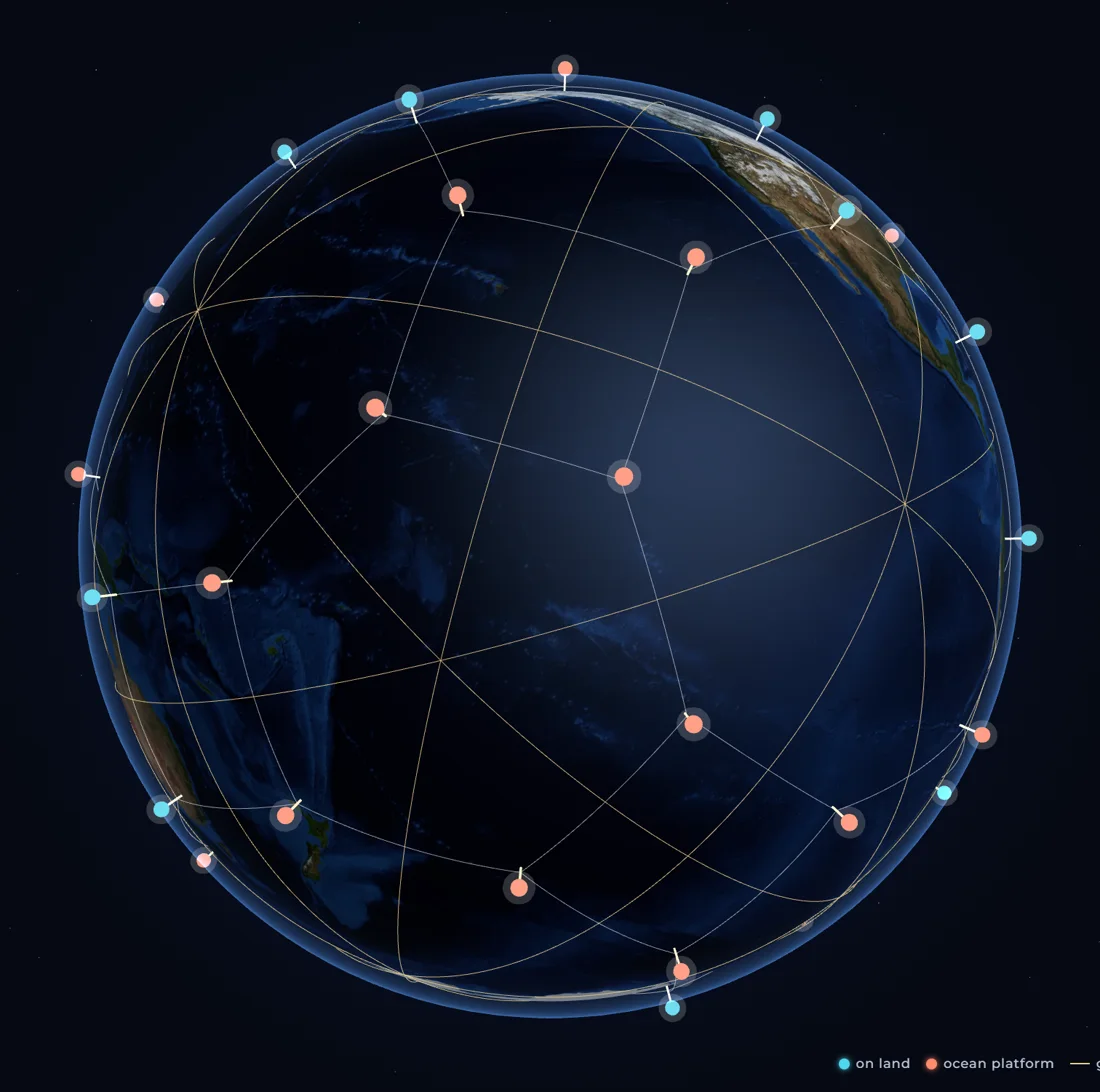
Drag to turn · click, then scroll or pinch to zoom · tap an antenna
on landocean platformgreat circle
9great circles
48identical triangles, one antenna in each
2,771 kmbetween neighbouring antennas
3equal neighbours for every antenna
26rods in the copper model, plus the centre = 27

How the pieces came together

This page follows the discovery in the order it happened. Each step only made full sense once the next one arrived.

A shared discovery

This did not come from one mind alone. The ideas came as inspiration from the Pleiadians and as guidance from Bashar. Krasimir followed them with intuition and curiosity, built them in copper, and checked them with geometry. The credit belongs to all of them.

Many years earlier · The beginning

The Space-Time Antenna

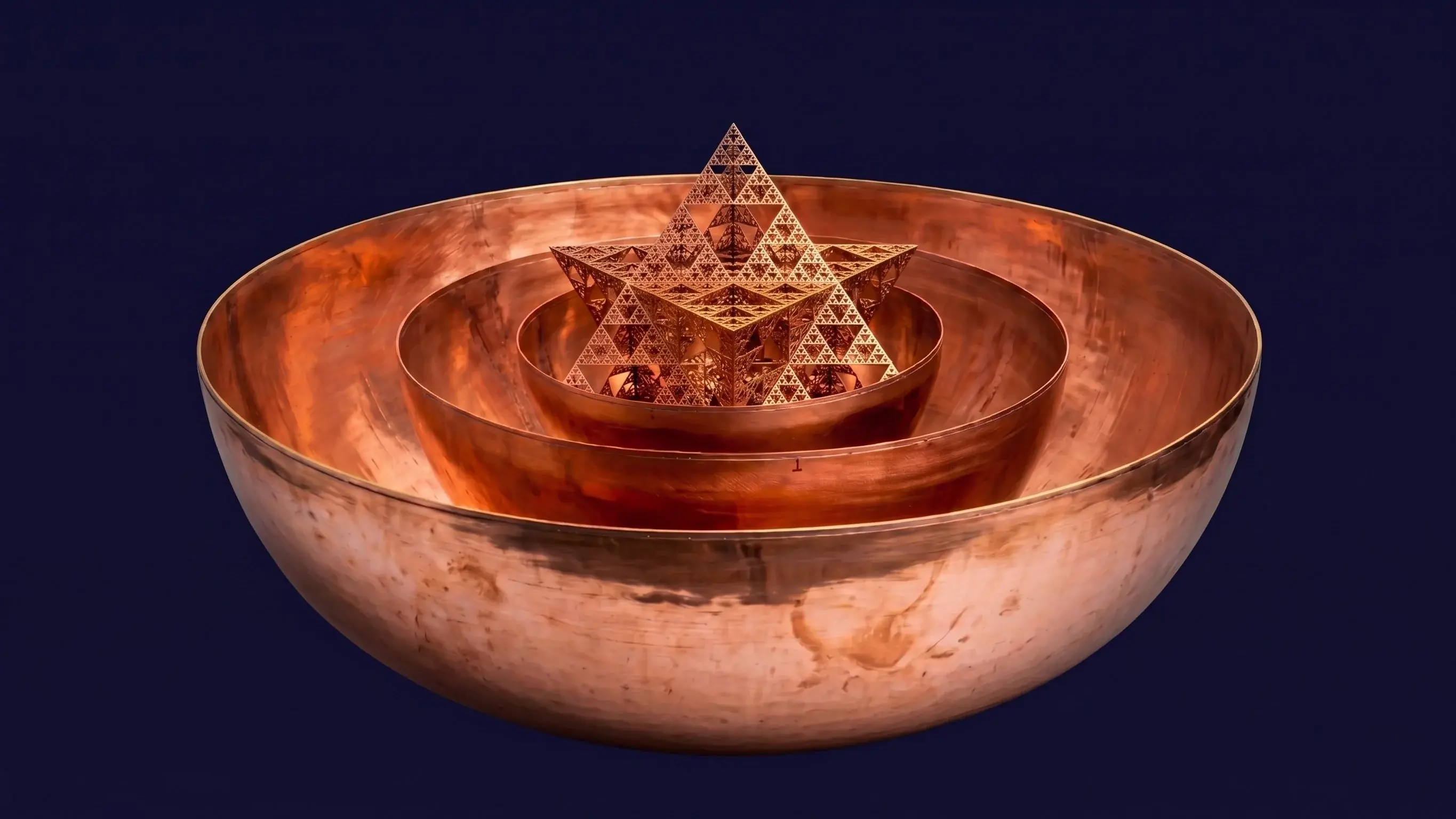
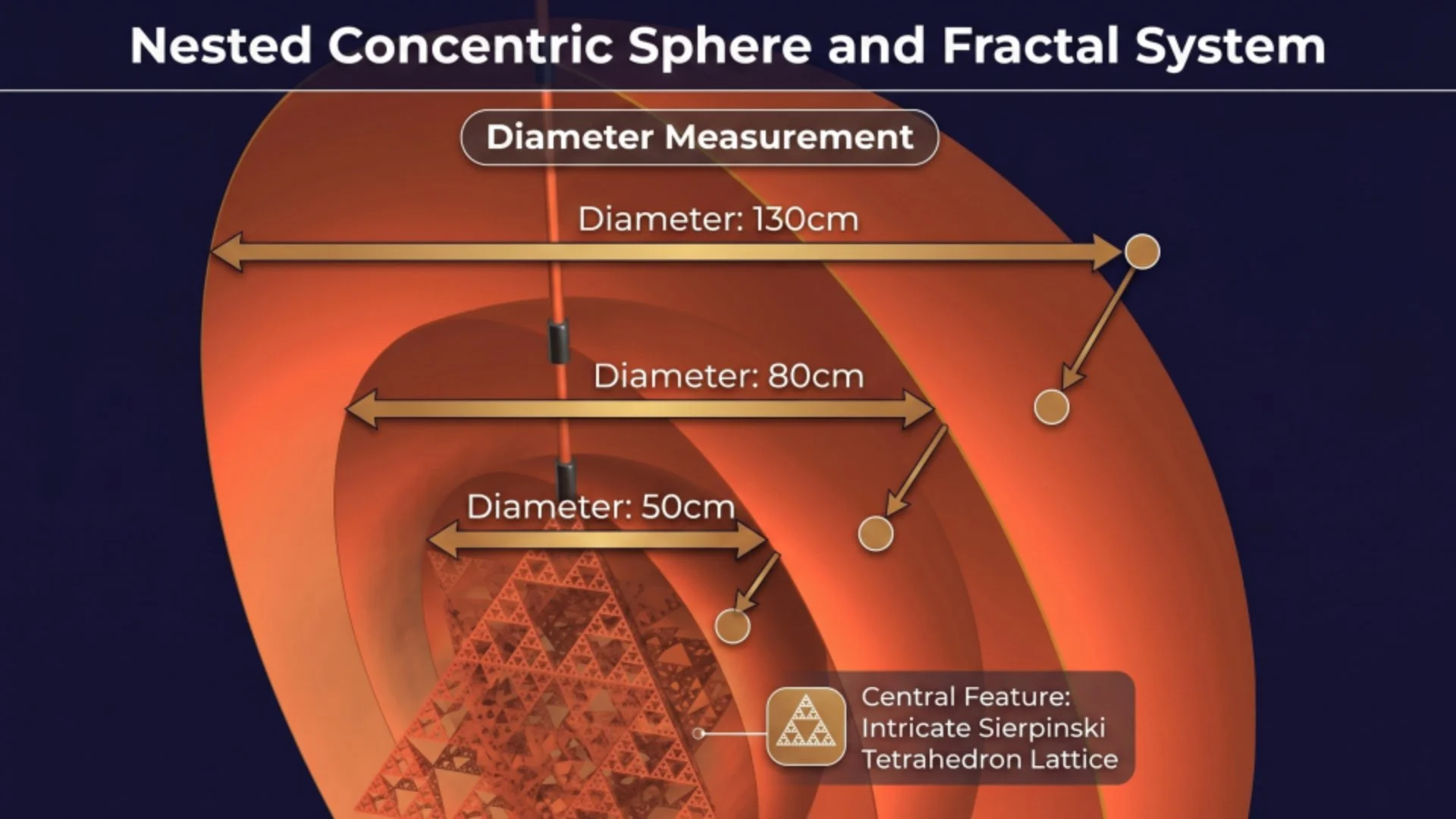
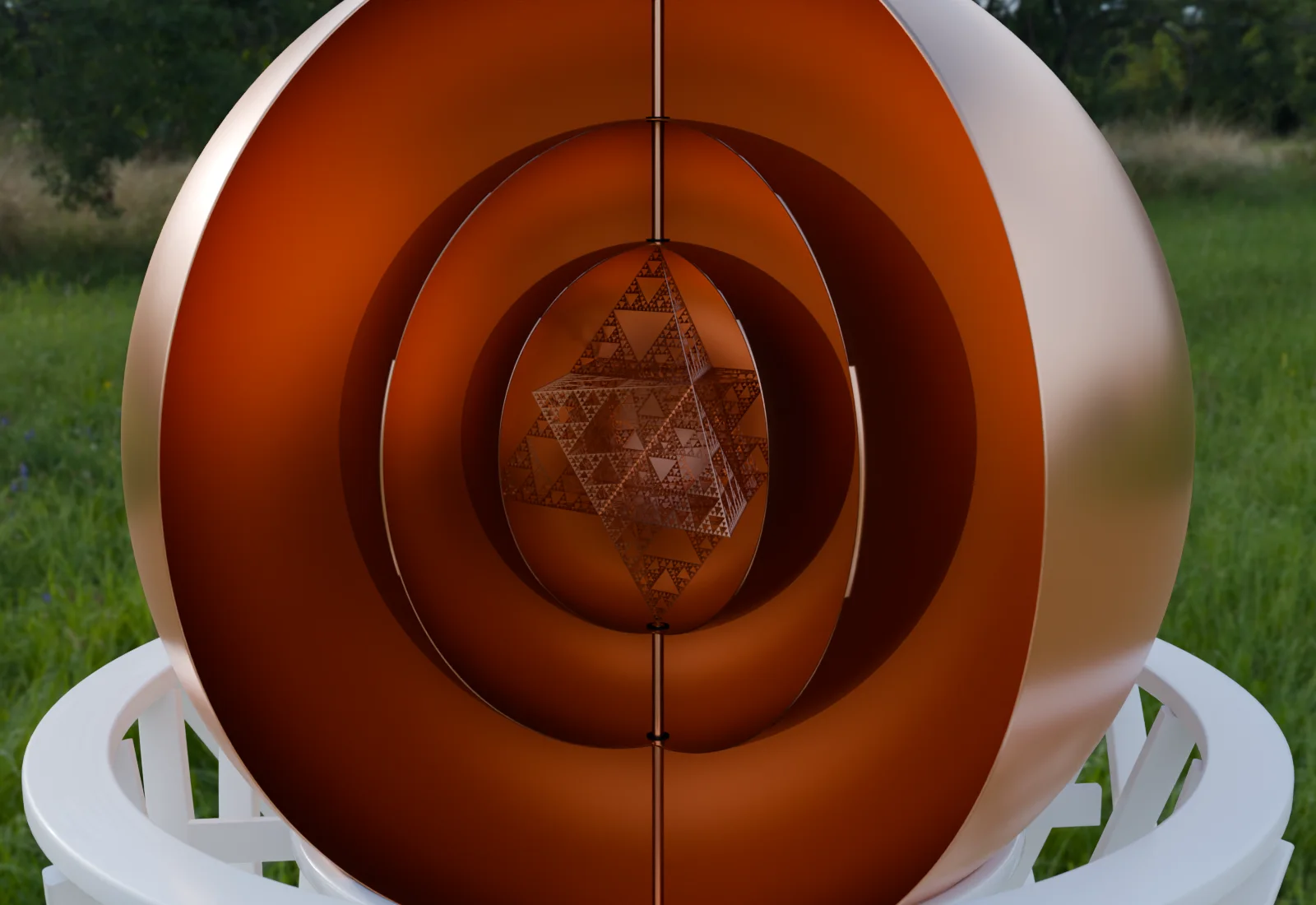
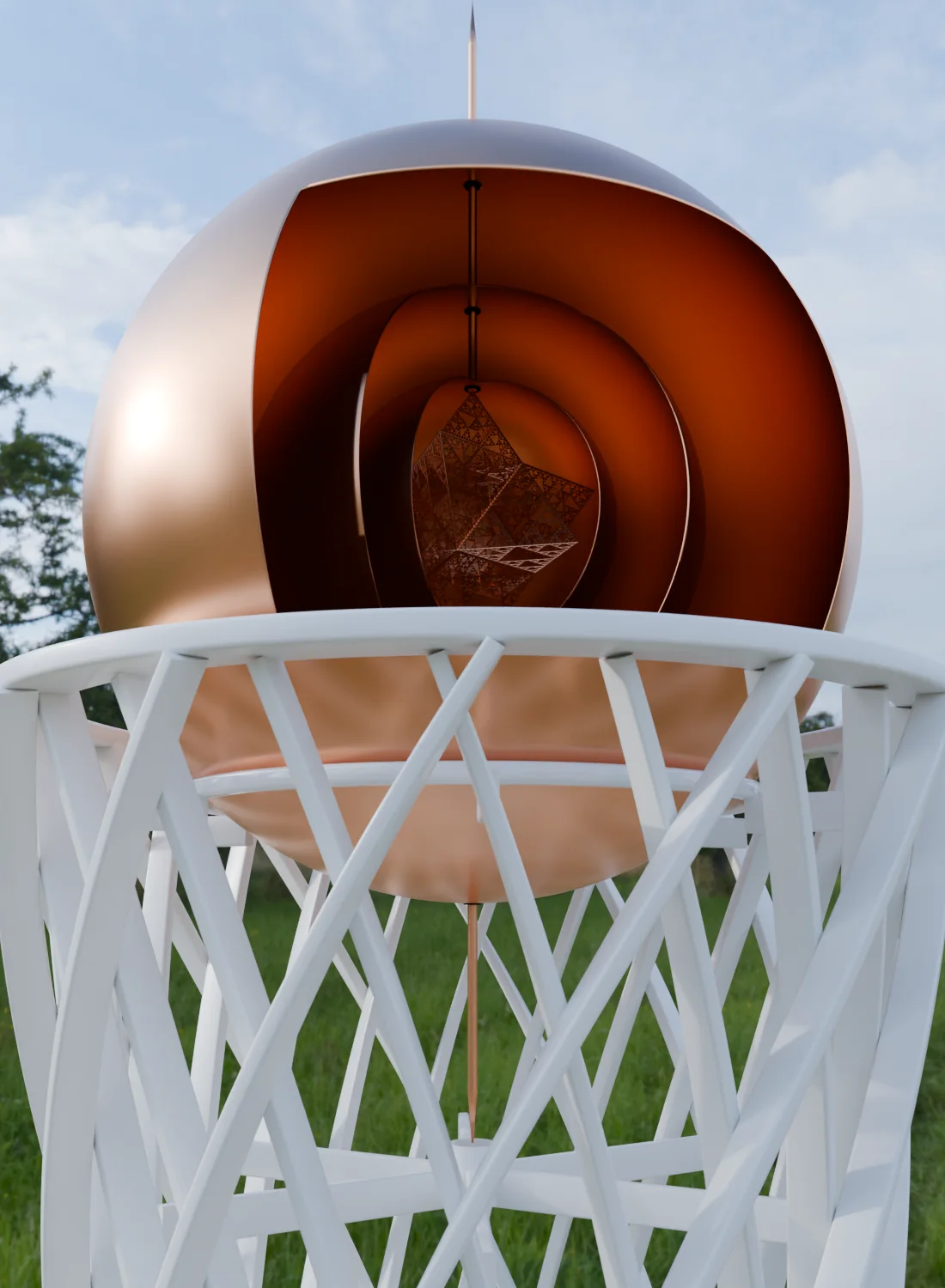
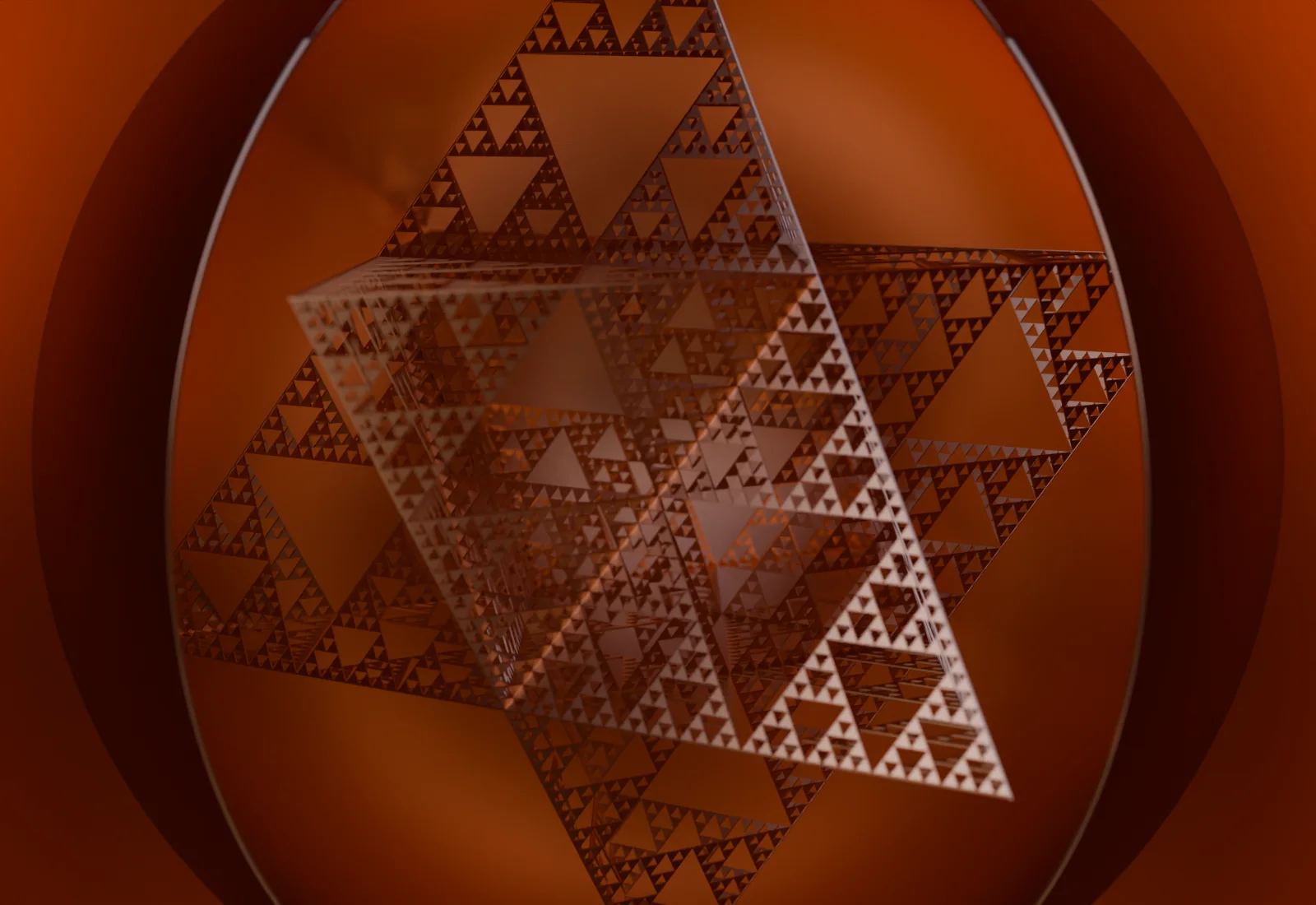
It started with a device, not a theory: three nested copper spheres, 1300, 800 and 500 mm across, with a fractal Sierpinski Merkaba at the centre and a rod running through the poles. The spheres are insulated from each other and from the rod, so the whole field converges on one point, the centre.

The Space-Time Antenna prototype: nested copper spheres
The Space-Time Antenna prototype.
Nested concentric sphere system with diameter measurements
Nested concentric spheres around the Merkaba.

The vision

Nine great circles, 48 triangles

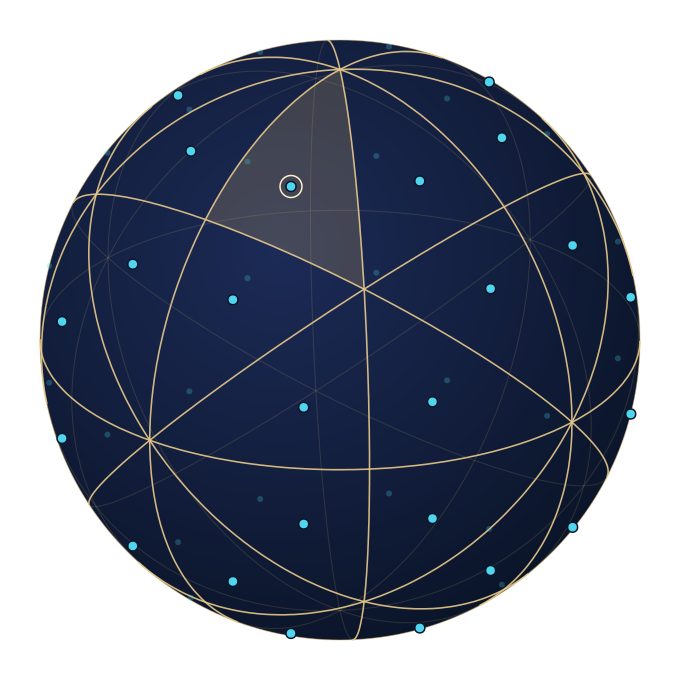
Then came a vision of the sphere itself divided. Nine great circles, the most symmetric way to cut a sphere, divide its surface into 48 identical triangles with angles of 90°, 60° and 45°. These are the "least symmetric triangles". The question that followed was simple: what if a Space-Time Antenna stood at the centre of each triangle?

Nine great circles on a sphere dividing it into 48 triangles, with a cyan antenna point at the centre of each triangle
The 9 great circles (gold) and the 48 antenna points (cyan), one at the incentre of each triangle. One triangle is shaded.

Private session with Bashar · 9 October 2020

The question, and the confirmation

In a private session, Krasimir described the vision to Bashar: one station at the incentre of each of the 48 triangles (his estimate then was about 3,330 km apart; the exact figure is 2,771 km, see step 5), creating a standing wave around the whole planet at about 7.5 Hz, to crystallize the Earth's field and take power from the ground. "This is what Tesla was thinking," Krasimir said. Bashar answered: "Yes, exactly."

Then he paused, said "one moment", and gave the dimensions: towers 30 to 33 feet tall, an outer sphere 6 to 10 feet (1.8 to 3 m) across, and the rest worked back to the centre in golden-ratio steps. With the stations aligned, he said, that is enough resonance to crystallize the field. He also noted that some of the stations would be in the middle of the ocean.

A year later (18 August 2021), Krasimir asked whether each station also needs the Flash Matrix. Bashar: to use the stations as power sources, yes; to create a resonance in the Earth's electromagnetic field alone, the Space-Time Antenna is enough.

Recording · private session

Recording coming soon

Session recording: Bashar, channelled by Darryl Anka (bashar.org). Excerpts from sessions on 9 October 2020 and 18 August 2021.

The golden-ratio check

Choose an outer sphere of 2.10 m, inside Bashar's 1.8 to 3 m range, and divide by φ = 1.618 three times: 2.10 → 1.30 → 0.80 → 0.50 m.

Those are exactly the three spheres of the existing antenna, built years before. The full-size antenna is the same instrument with one more shell around it.

From dimensions to design

The tower

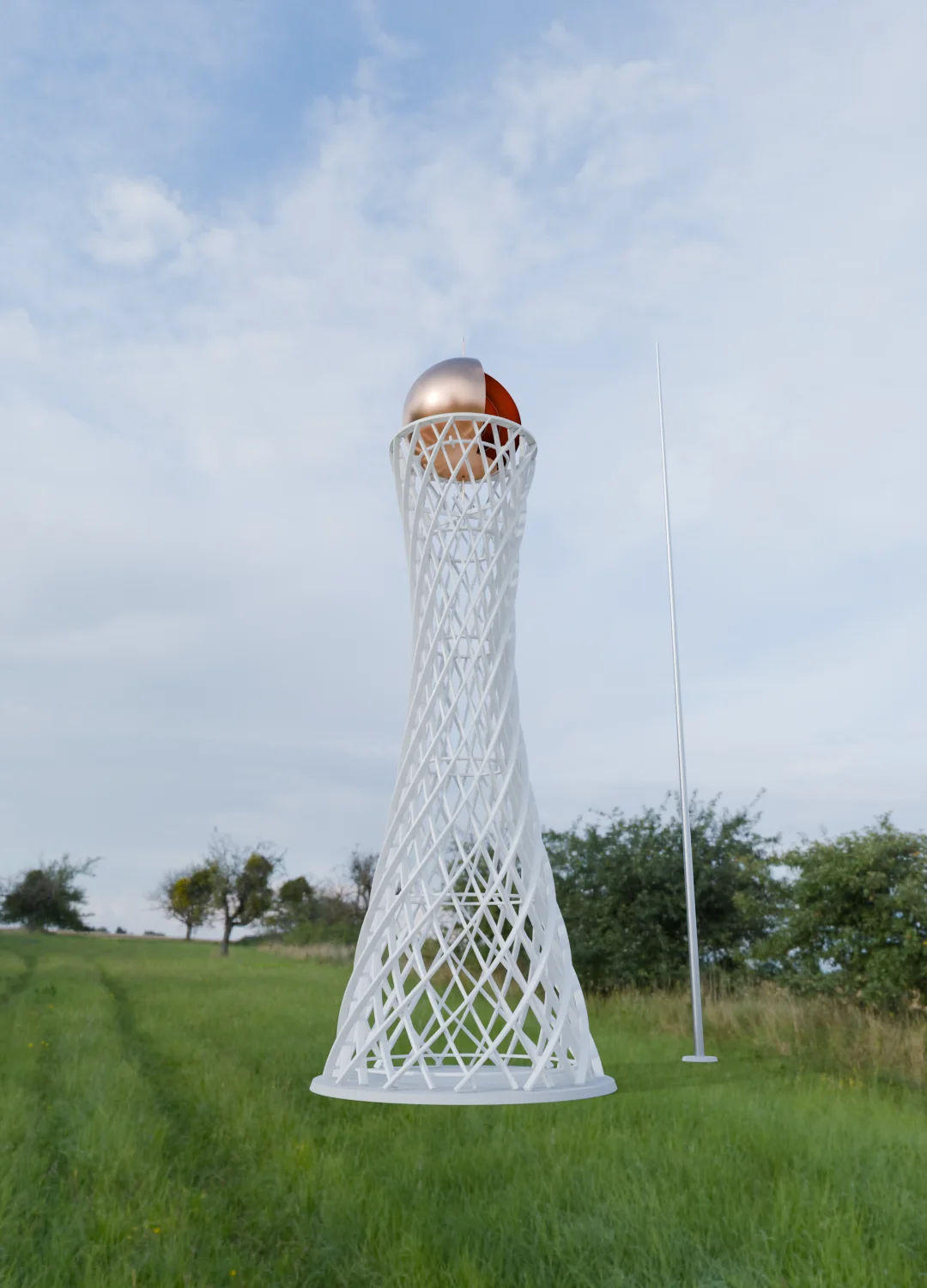
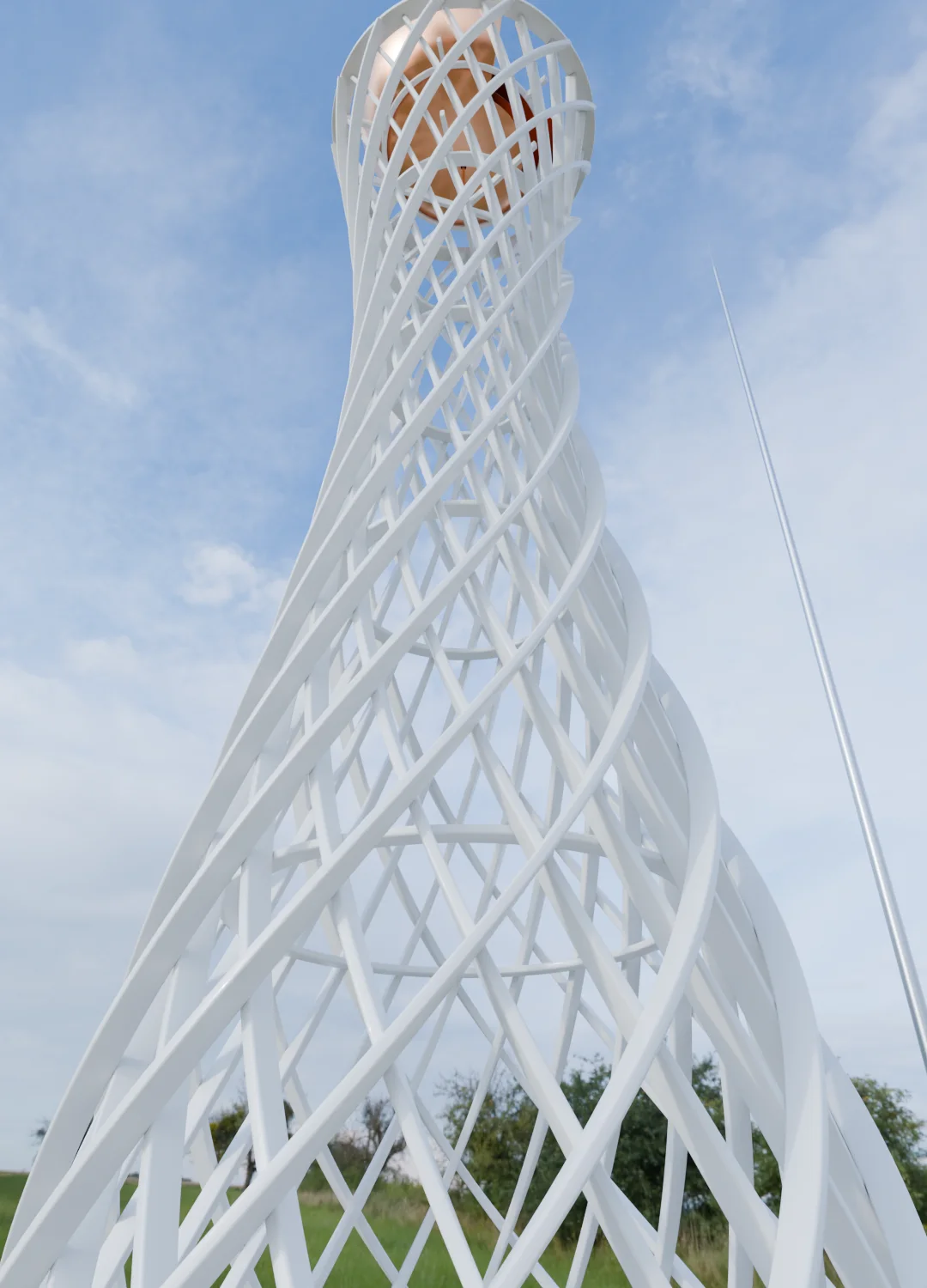
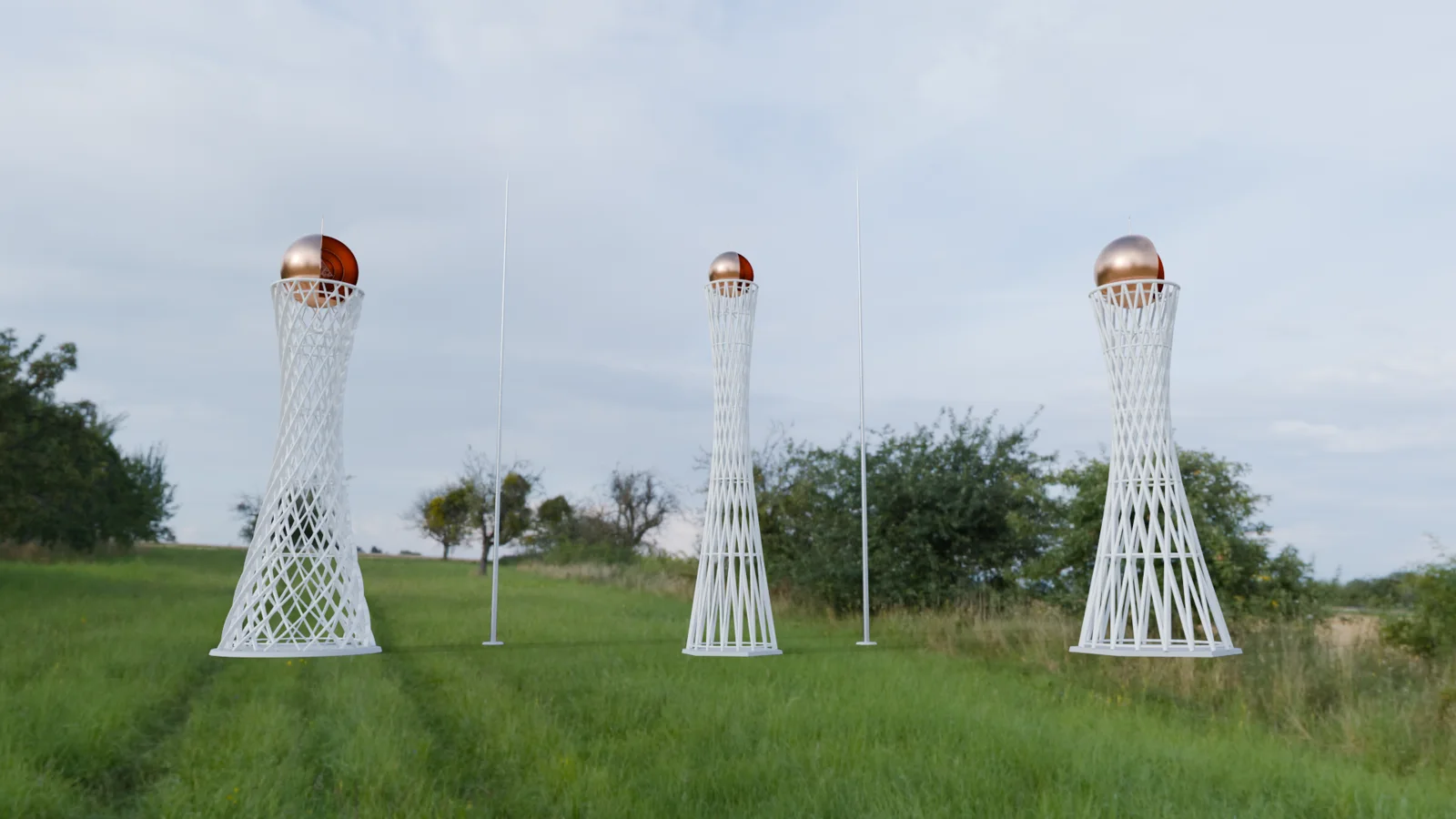
Bashar's dimensions became a design. The nested copper spheres sit on top of a white hyperboloid lattice tower about 30 feet tall. Its struts follow Fibonacci spirals, so the tower is light and strong. At the very centre, inside every shell, sits the fractal Sierpinski Merkaba.

A white Fibonacci hyperboloid lattice tower in a green field, crowned with a copper sphere
The Space-Time Antenna tower, about 30 ft, in its landscape.
Cutaway of the copper sphere on top of the tower, showing the nested shells and the Merkaba at the centre
Cut open: the nested copper shells, with the Merkaba at the centre.
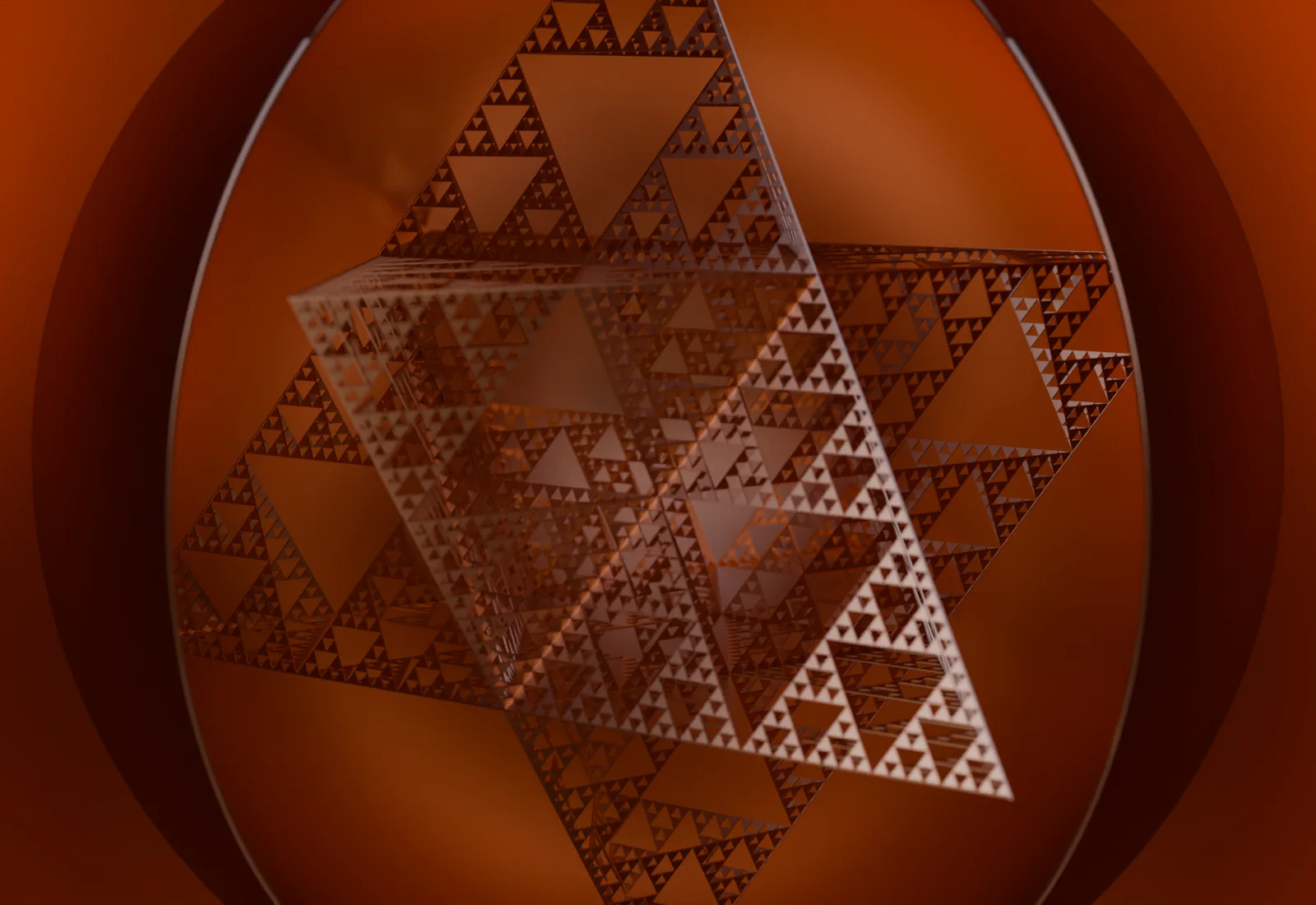
Close-up of the fractal Sierpinski Merkaba inside the copper spheres
The Sierpinski Merkaba at the heart of the antenna.
Looking up the spiralling lattice of the tower to the copper sphere
Looking up the Fibonacci lattice.
The copper sphere sitting in the cradle at the top of the lattice tower, with a window cut into the shell
The sphere in its cradle at the top.
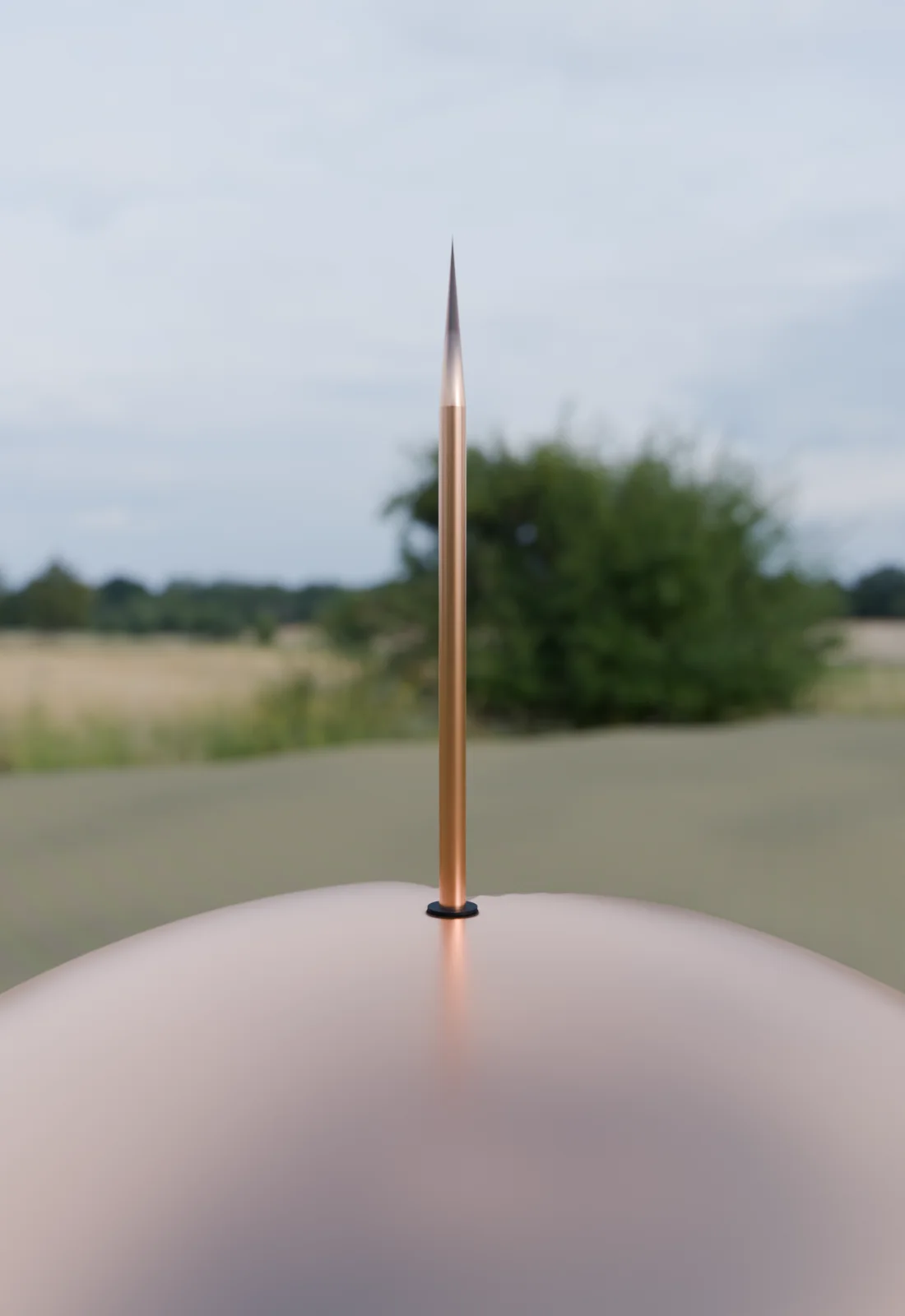
The copper rod rising from the top of the outer sphere
The rod rising from the top pole.

How it is built: supports, joints and insulation

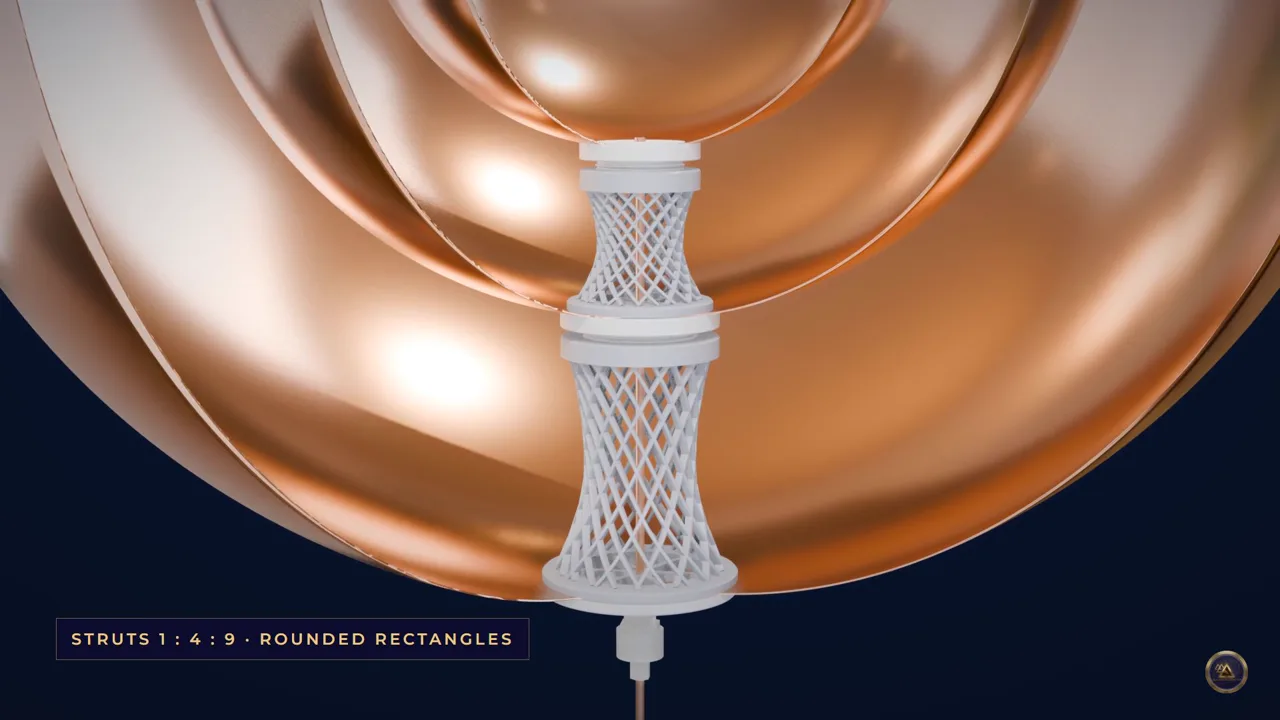
A real antenna has to hold three copper spheres (500, 800 and 1300 mm, 1.5 mm copper) and the Merkaba exactly centred, while keeping every copper part electrically separate. The video walks through each support, joint and insulator: PTFE where losses at about 1.4 MHz matter most, Fibonacci lattice towers between the shells, and a height jack that moves the rod and Merkaba straight up and down without turning them.

Engineering walkthrough · 7 min

Video coming soon

Free download · working draft

Big Space-Time Antenna: supports, joints and parts (PDF, 45 pages, 4.9 MB). Technical drawings, renders, materials and how to make each part. Shared freely, so anyone can see what building one takes. It is updated as the design develops.

Mapping it onto the Earth

48 antennas, 2,771 km apart

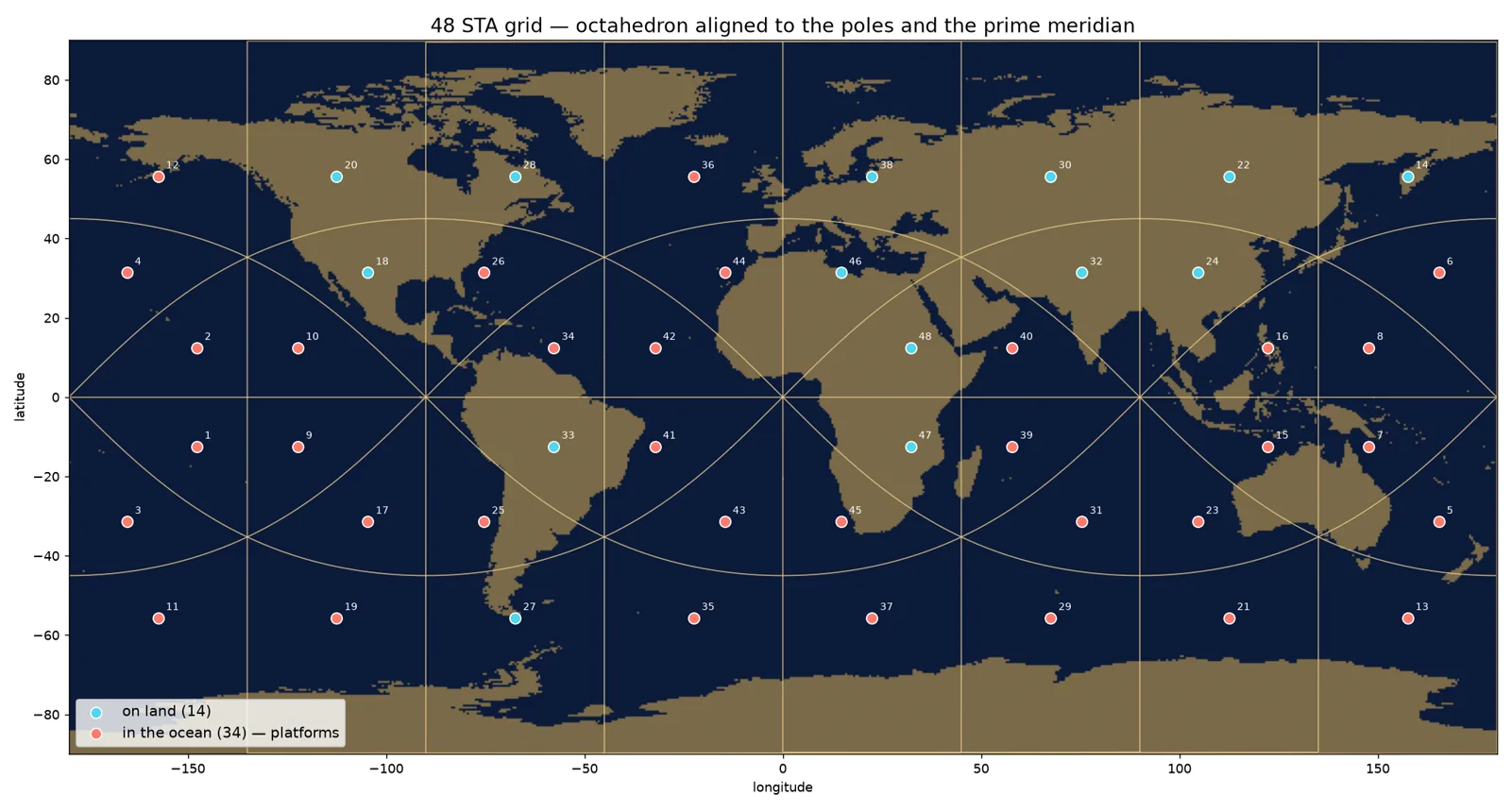
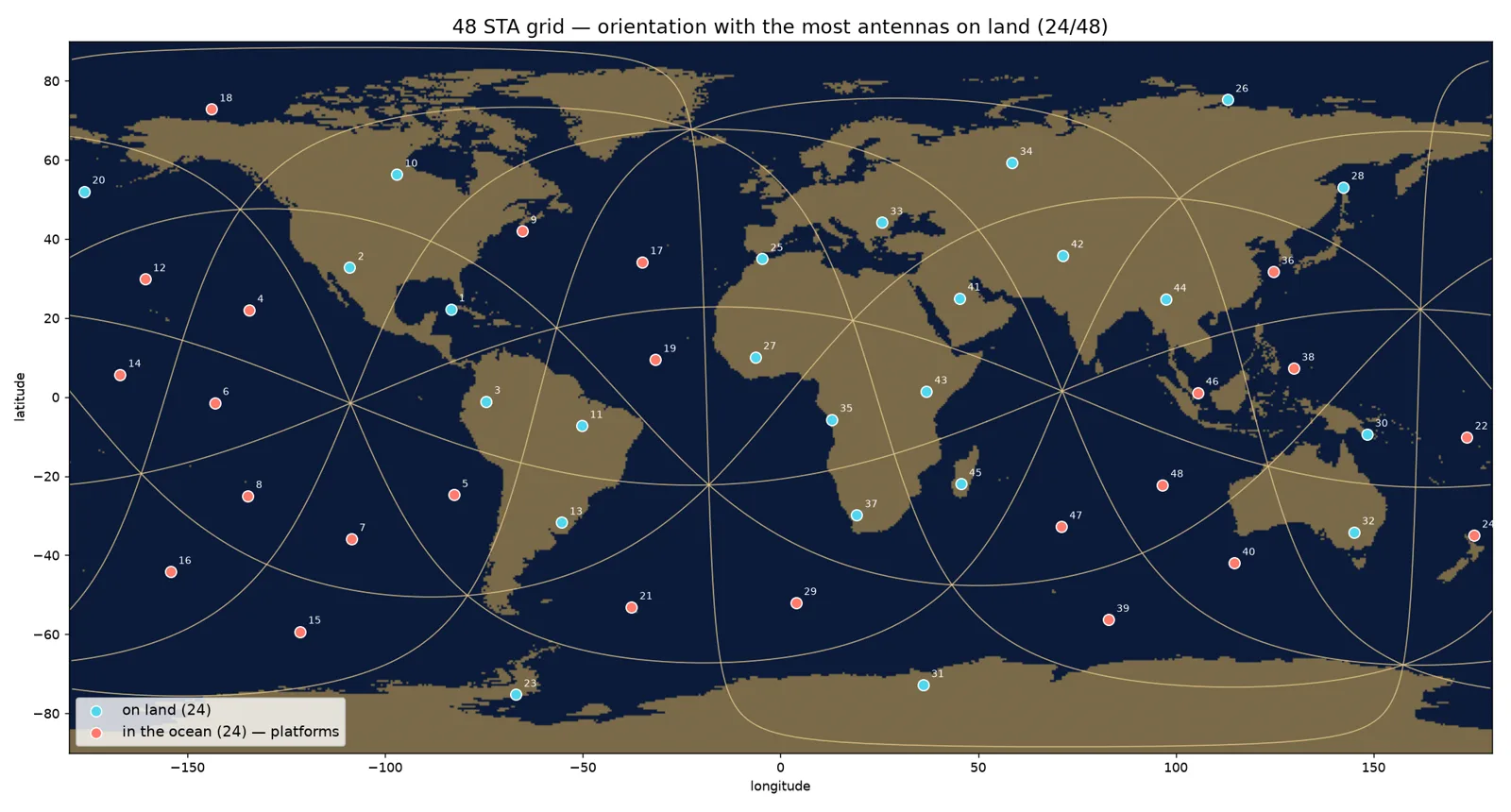
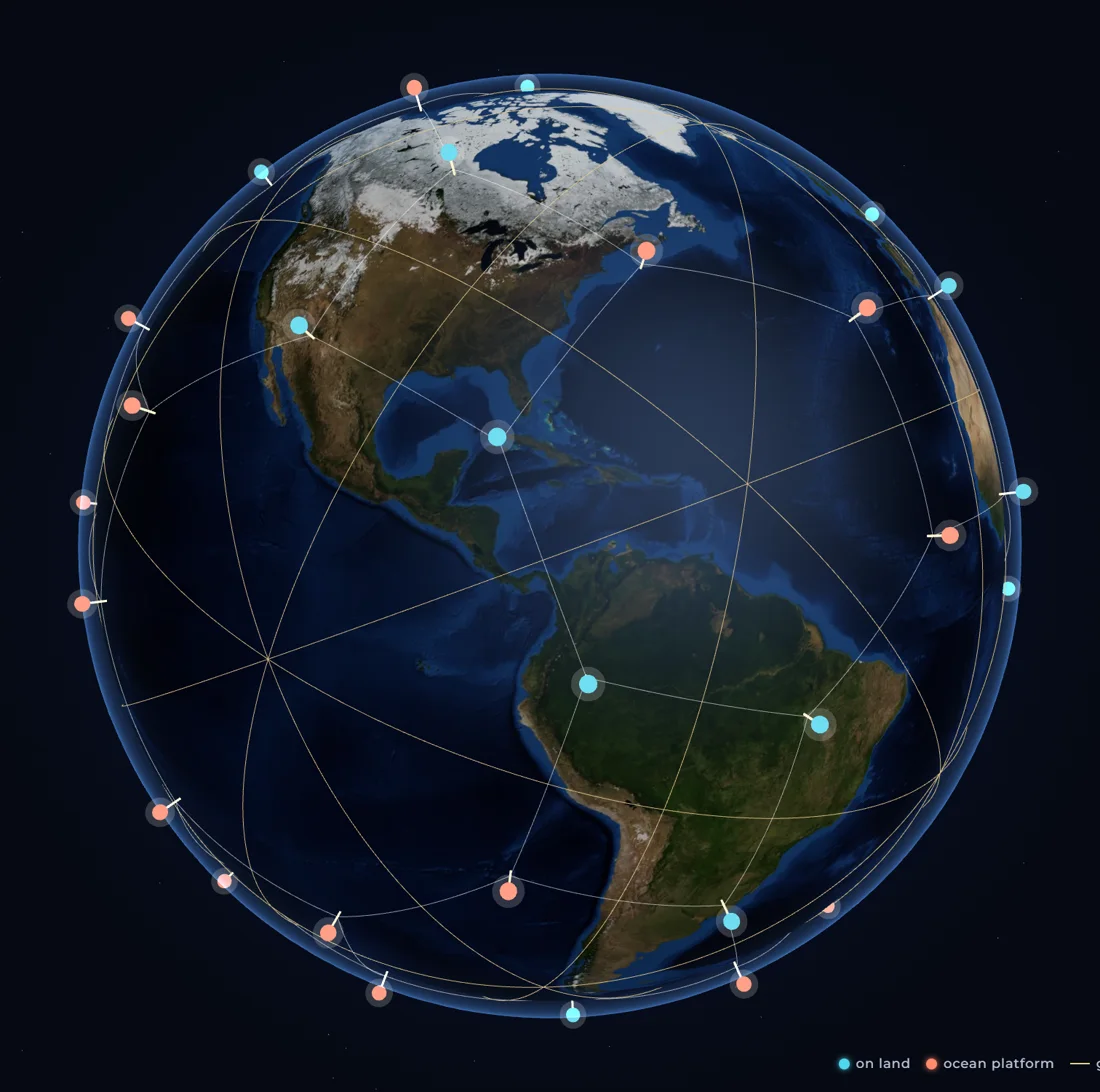
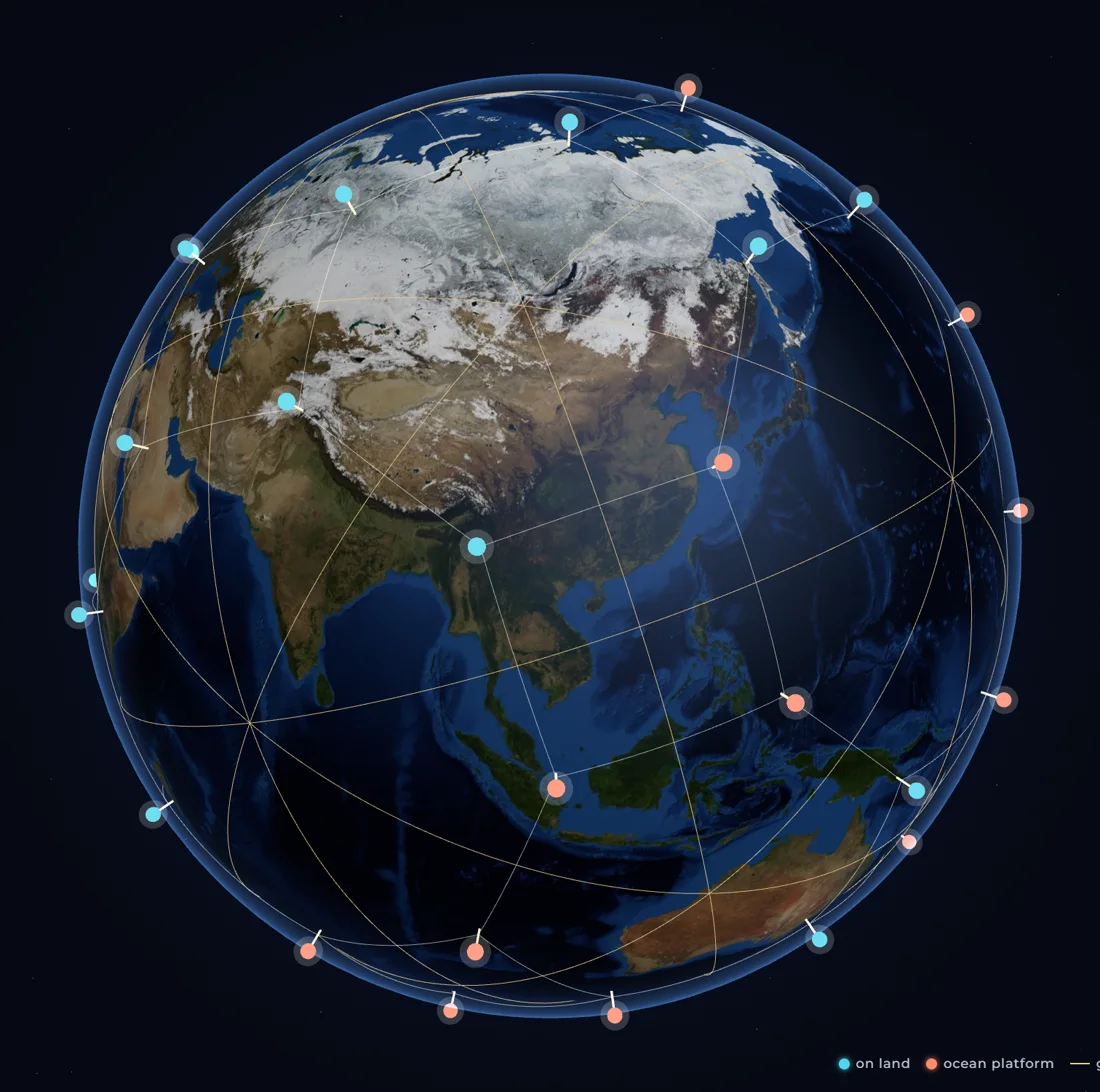
Placed on the Earth, the 48 incentres are evenly spread. Every antenna has exactly three nearest neighbours at 2,771 km, one across each side of its triangle. The next distances are 3,951, 4,880 and 5,225 km.

How many stand on land depends on how the grid is turned. Aligned with the poles and Greenwich, 14 are on land and 34 in the ocean. Out of about 10,000 orientations tested, the best puts 24 on land and 24 at sea.

World map with 48 antenna positions aligned to the poles: 14 on land, 34 in the ocean
Aligned with the poles: 14 on land, 34 at sea.
World map with the orientation that puts the most antennas on land: 24 on land, 24 in the ocean
Best orientation: 24 on land, 24 on ocean platforms.
The Earth from above the Americas, with the great circles and antenna positions
The Americas
The Earth from above Asia, with the great circles and antenna positions
Asia and the Western Pacific
The Pacific Ocean side of the Earth, mostly ocean platforms
The Pacific: mostly ocean platforms

The copper model

A truncated cuboctahedron, built by intuition

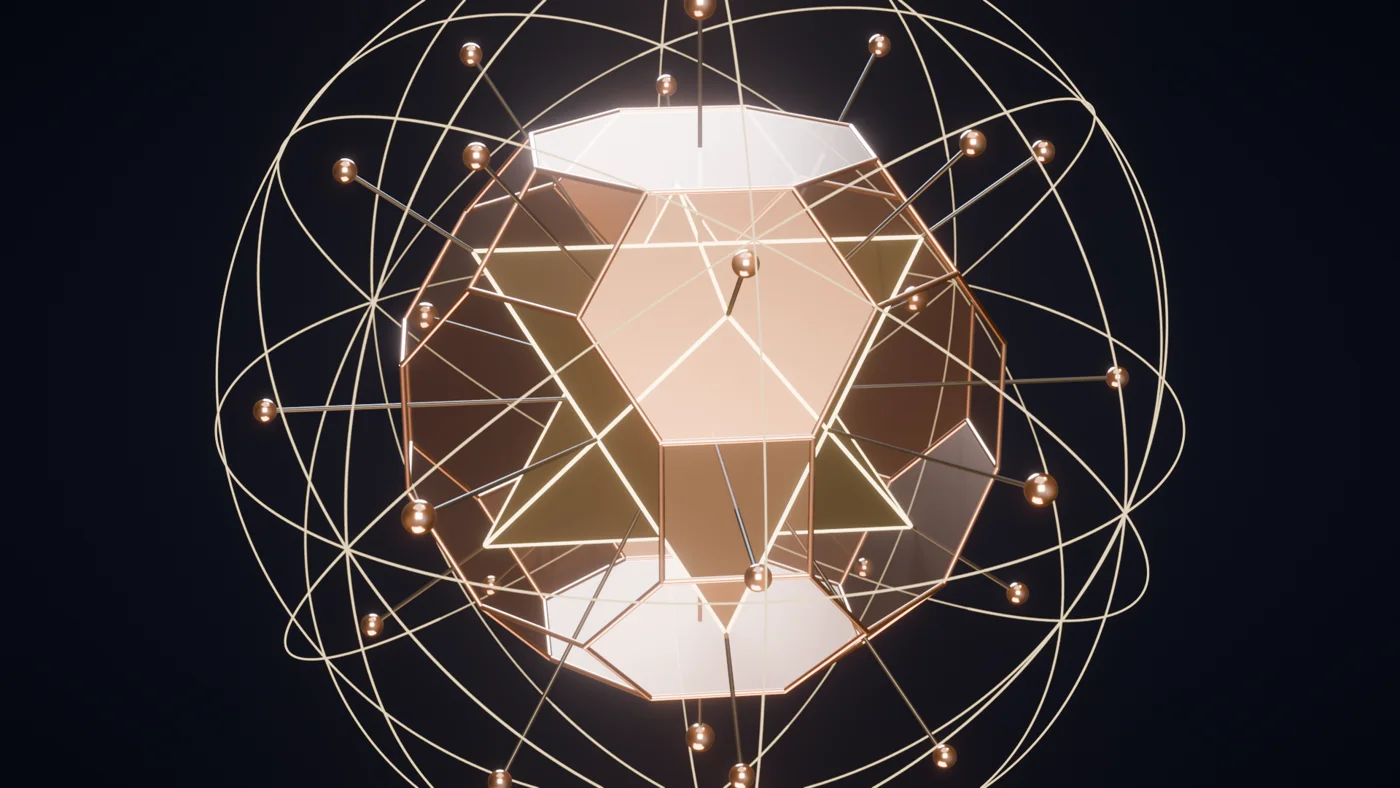
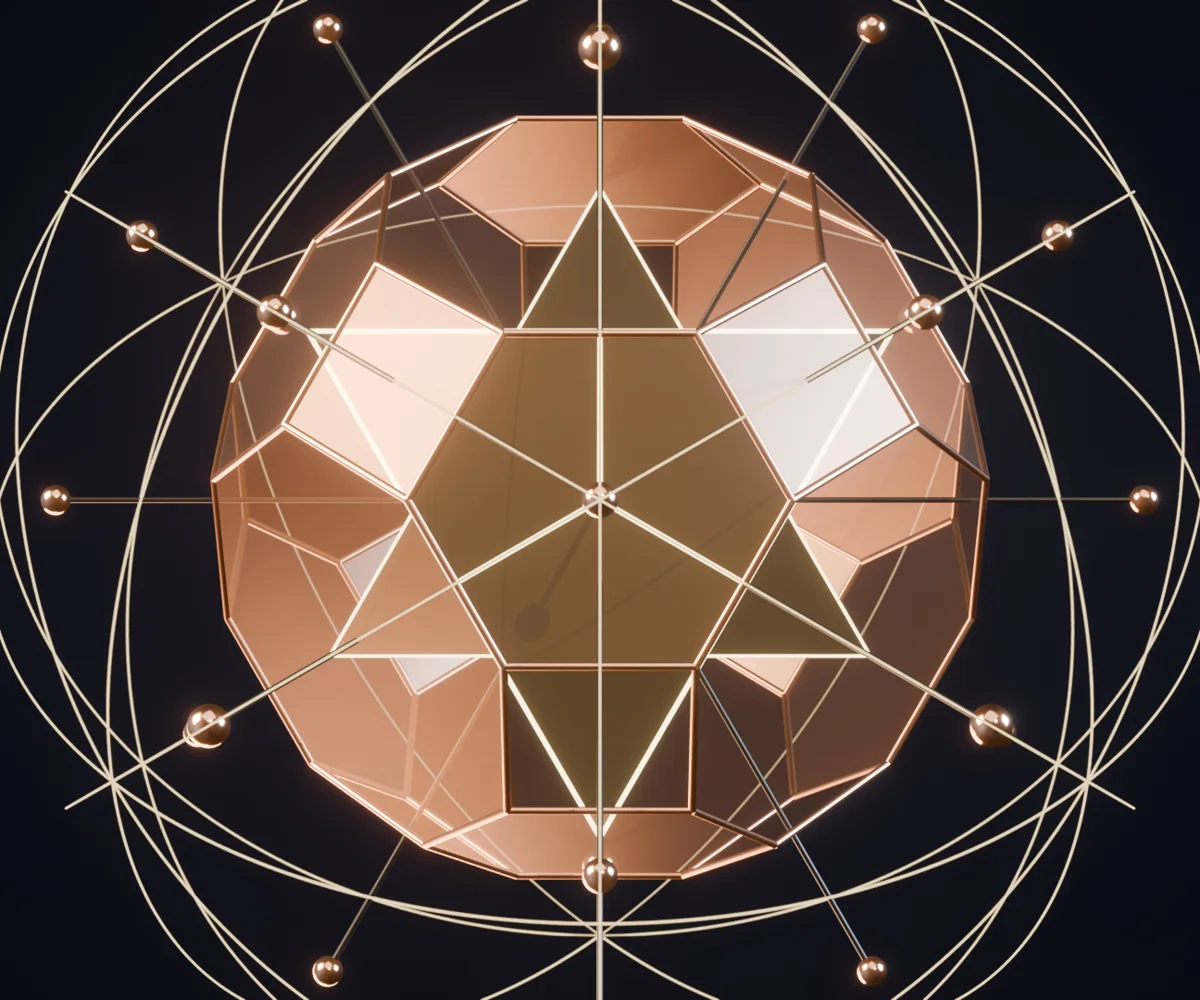
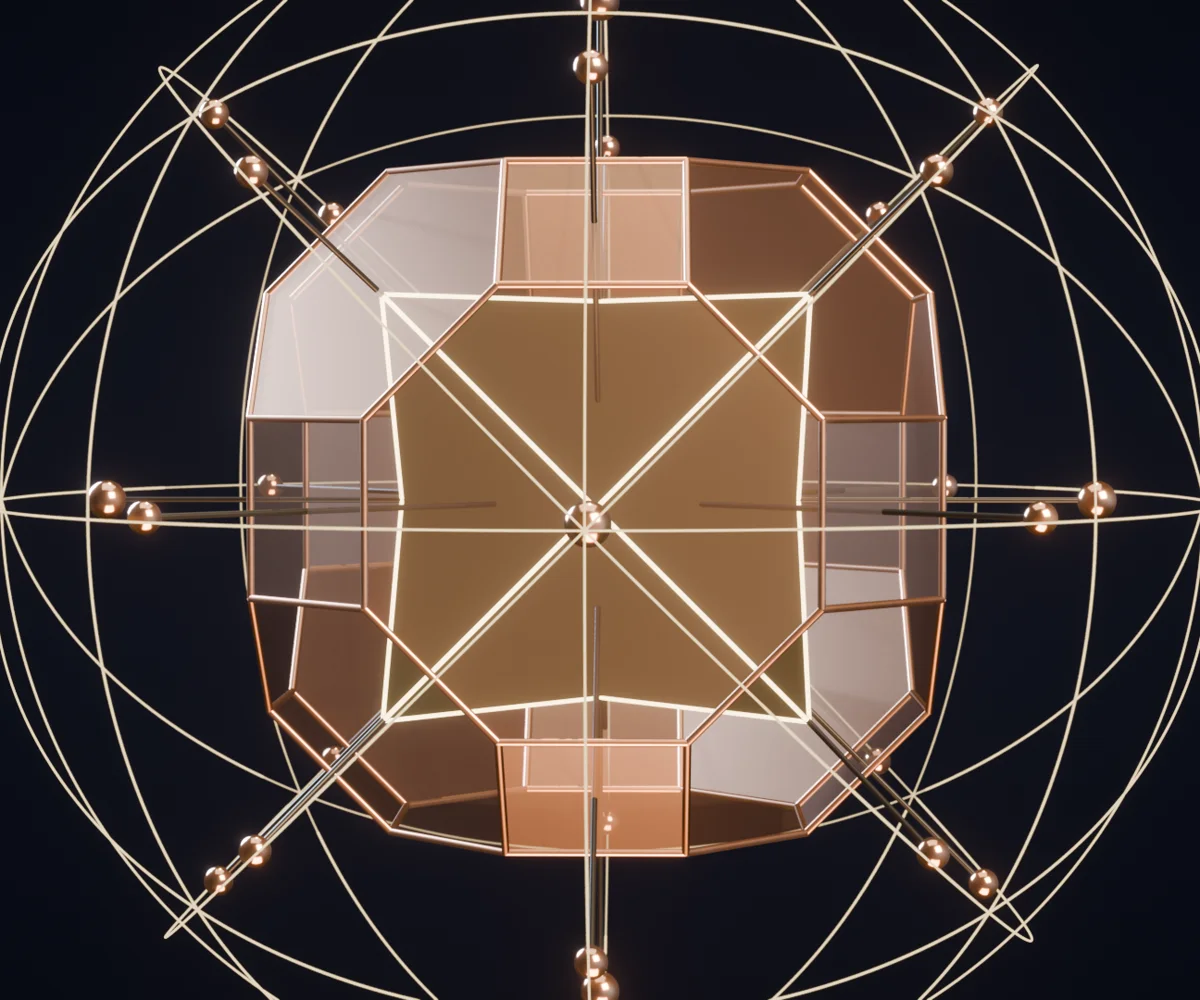
Separately, Krasimir had built a copper truncated cuboctahedron by intuition: 6 octagons, 8 hexagons and 12 squares, with 26 rods through the face centres ending in copper spheres. He did not yet know why it had this shape. Bashar later explained the meaning of the form.

Bashar explains the shape

Video coming soon

From "A Strange And Wonderful Planet", bashar.org.

October 2026 · The click

The copper model is the planetary grid

When the 48 antennas were joined to their neighbours on the globe, the 72 links formed a familiar shape: a truncated cuboctahedron wrapped around the Earth, the same shape as the copper model.

  • Its 48 corners are the 48 antenna positions.
  • Its 26 rods point exactly at the 26 places where the nine great circles cross: the 6 four-way crossings (octagons), the 8 three-way crossings (hexagons) and the 12 two-way crossings (squares).
  • The 8 hexagon rods point exactly at the 8 tips of a Merkaba, the centre of the Space-Time Antenna.
  • 26 rods plus the centre make 27: the 3 × 3 × 3 cube, every direction from the centre cube to its neighbours.
  • 48 is also the number of symmetries of the cube and octahedron. No other arrangement of 48 points on a sphere is as symmetric.
The copper model with its 26 rods and the Merkaba inside. The 8 hexagon rods meet the 8 Merkaba tips.
Copper model seen along a hexagon axis
Along a hexagon rod: a Merkaba tip.
Copper model seen along an octagon axis
Along an octagon rod: a four-way crossing.
One structure, three scales

The Merkaba sits at the centre of the antenna. The copper truncated cuboctahedron points to its tips. The same shape, scaled to the Earth, holds the 48 antennas.

The meaning

Wardenclyffe, one step further

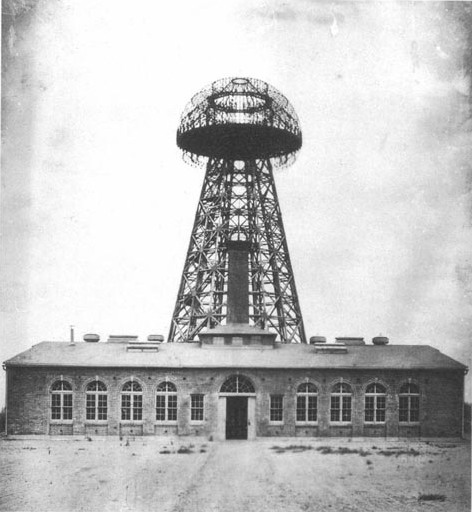
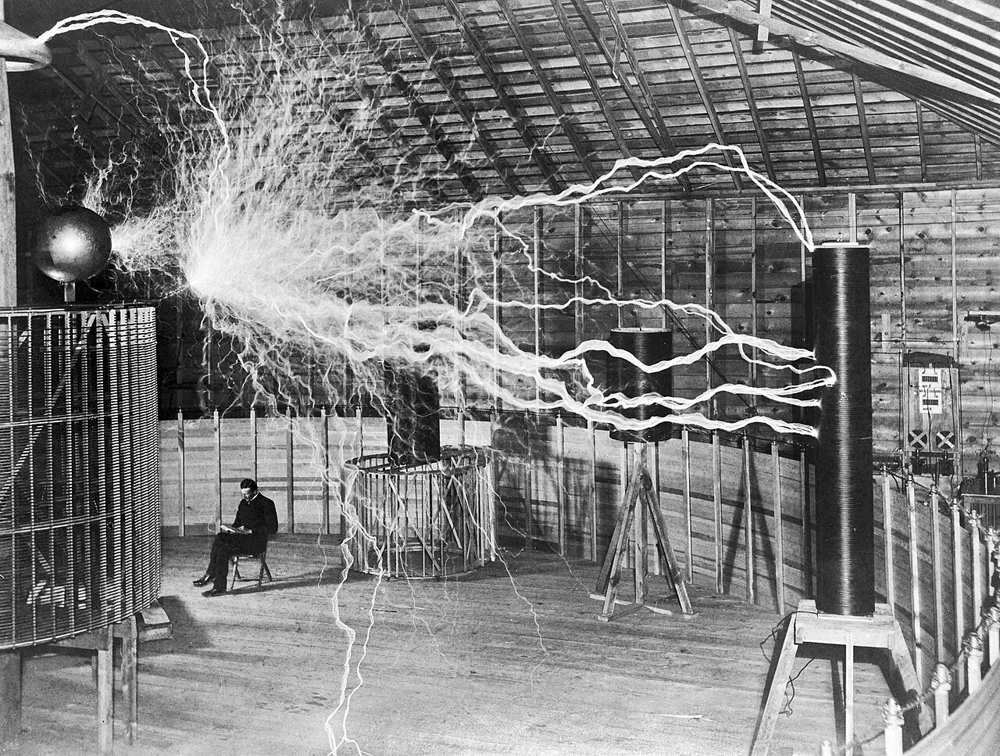
In 1901 Nikola Tesla began building Wardenclyffe Tower on Long Island. His aim was not only radio but wireless power: to treat the whole Earth as a conductor and resonator, pump energy into it from one point, and draw it out anywhere. Funding ran out, and the tower was demolished in 1917.

Historical photograph of Wardenclyffe Tower in 1904: a tall timber lattice tower topped by a large dome, behind Tesla's brick laboratory
Then · 1904Wardenclyffe Tower and Tesla's laboratory, Shoreham, New York. Photo: public domain, via Wikimedia Commons.
The Space-Time Antenna tower: a white Fibonacci lattice crowned with a copper sphere
Now · designThe Space-Time Antenna tower: nested copper spheres on a Fibonacci lattice.
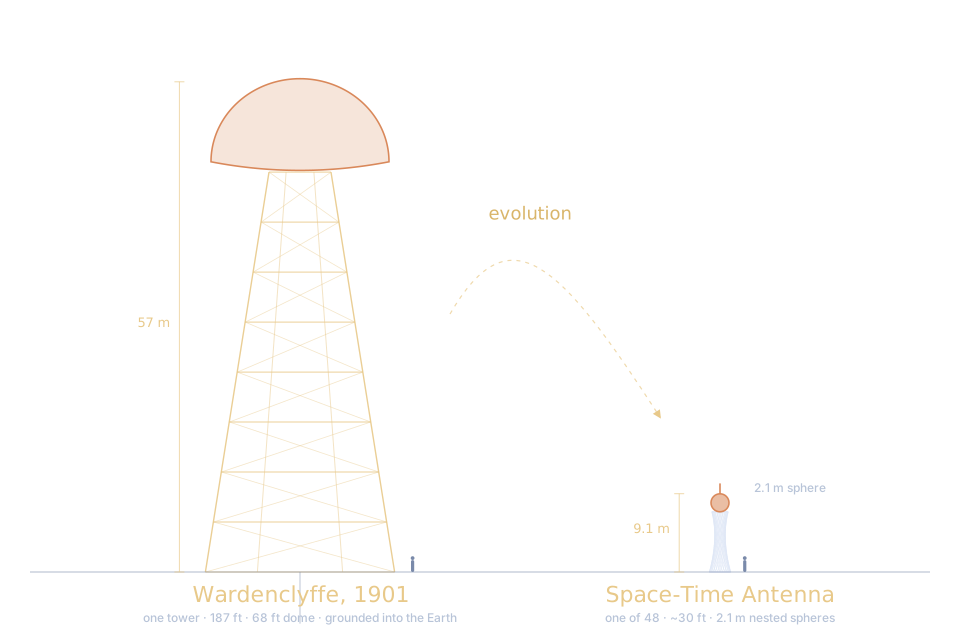
Wardenclyffe Tower, 57 metres tall, drawn to scale next to the 9 metre Space-Time Antenna tower
Drawn to the same scale. Wardenclyffe stood 57 m (187 ft) tall. The Space-Time Antenna tower is about 9 m (30 ft): small enough to build 48 of them.
Three Space-Time Antenna towers standing in a field
The evolution: from one giant tower to a network of small, symmetric ones.

The planetary grid keeps the same idea, the Earth as a resonator, and changes how it is done.

Wardenclyffe (Tesla)The planetary grid
SourcesOne tower, one point on the planet48 identical antennas, in the most symmetric arrangement possible
GeometryA single drive point and its oppositeNine great circles; every antenna has 3 equal neighbours at 2,771 km
Each stationA tall mast with a dome on top, grounded deep into the EarthNested spheres in golden-ratio steps around a Merkaba, about 30 ft tall
Reference pointThe groundEach antenna's own centre: the drive converges on the Merkaba
PrincipleResonance of the EarthResonance of the Earth, multiplied by spherical energy gain at every station

Spherical energy gain

The Alchemical Manual for This Millennium (A. Olson) describes a "true principle of multiplication". Pressure applied along one radius of a sphere travels to its centre and is broadcast back out along every radius. The centre, the "major center of ONE", is the point everything refers to.

A Space-Time Antenna is built to work this way. Its closed copper shells are driven between the outer sphere and the central rod, so the field converges on the Merkaba at the centre instead of on the ground. Tesla used one centre, the Earth. The grid gives the Earth 48 smaller centres, arranged by the same symmetry as the planet's own great circles.

The same idea as Tesla's, one step further: not one tower pushing the planet, but a symmetric network resonating with it.Krasimir Kolev

Each part of this idea already has a counterpart in conventional physics, from the Earth's own resonance to sound being turned into light. See Bridges to conventional physics below.

Next

From idea to measurement

This is a research hypothesis, and the next steps are measurements:

  • Sweep the existing antenna from kHz to GHz between the outer sphere and the rod, with and without the Flash Matrix, to find its true resonances.
  • Compare a centre-referenced drive with a ground-referenced one.
  • Measure power in against power out, precisely.
  • Build a small symmetric array of mini antennas around one larger sphere, and look for collective modes: the planetary grid on a table.

The renders show 3D models of the proposed grid. Distances are calculated for a spherical Earth with a radius of 6,371 km.

The field principles behind the grid

Received from unconventional sources, refined through years of research, and tested against conventional physics.

These principles reached us from several directions: channelled guidance from Bashar and the Pleiadians, older esoteric and unconventional texts, among them the Alchemical Manual for This Millennium, and years of our own building, measuring and drawing. We do not treat any of them as a recipe to follow. Each principle is a working hypothesis: we state it in our own words, show where it appears in the antenna and the grid, and pair it with what conventional physics has already measured. The six principles are numbered I to VI. Each one is interactive, and they build on each other: from two potentials and their point fulcrum, to the space torus with its axis, loops and orbits, to counter-rotating fields, to the solids, to the fractal, to the harmonics of the circle. Most link to a partner bridge (01 to 08) in the next section.

The grid as a standing wave

An experiment: all 48 antennas send out the same rings at the same moment. Where do the crossings go?

Card I showed what two equal potentials do: their rings travel in toward each other, meet at the fulcrum, and the crossing leaves at right angles. Here the same rule runs on the real grid. Every antenna sends out rings over the Earth's surface at the same rate (gold). Between two antennas the ring fronts travel in toward each other (red), and where two equal rings cross, the crossing moves out along the line halfway between them (blue). Choose which pairs to follow, or focus on one face of the grid.

Drag to turn · click, then scroll or pinch to zoom
ringscoming incrossings going outpoint fulcrums
Grid on Earth

Pairs
Focus
Look down
Rings 5
Speed ×1.0
Pattern
View

What the geometry shows

Bridges to conventional physics

None of the principles behind the planetary grid is exotic on its own. Each one has been measured and published in mainstream science. Each bridge below shows what is confirmed, how it connects to this work, and, just as important, where it differs. The links go to the original papers and sources.

Already established
  • The Earth resonates electrically, as Tesla said.
  • Matched resonators exchange power without wires.
  • Many antennas working in step act as one far stronger source.
  • Spherical convergence on a centre concentrates energy by up to a trillion times and turns it into higher frequencies.
  • A symmetric spherical implosion can release more energy than it receives.
Still to be tested
  • Whether a Space-Time Antenna, driven at its centre, shows a higher Q and new resonances.
  • Whether its spherical gain is concentration only, or a net gain from the centre, as the Alchemical Manual describes. Test: measure power in against power out, precisely.
  • Whether a symmetric array of antennas forms collective modes. Test: a table-top grid.

Sources & acknowledgements

A note on sources

Several principles on this page were first met in The Alchemical Manual for This Millennium (A. Olson), a remarkable work on symmetric field physics. We acknowledge it with gratitude. Like any source, received or published, it is a starting point to be tested, not a manual to be followed to the letter.

Guidance from Bashar is quoted from private sessions channelled by Darryl Anka (bashar.org). Conventional sources are linked on each bridge card.